
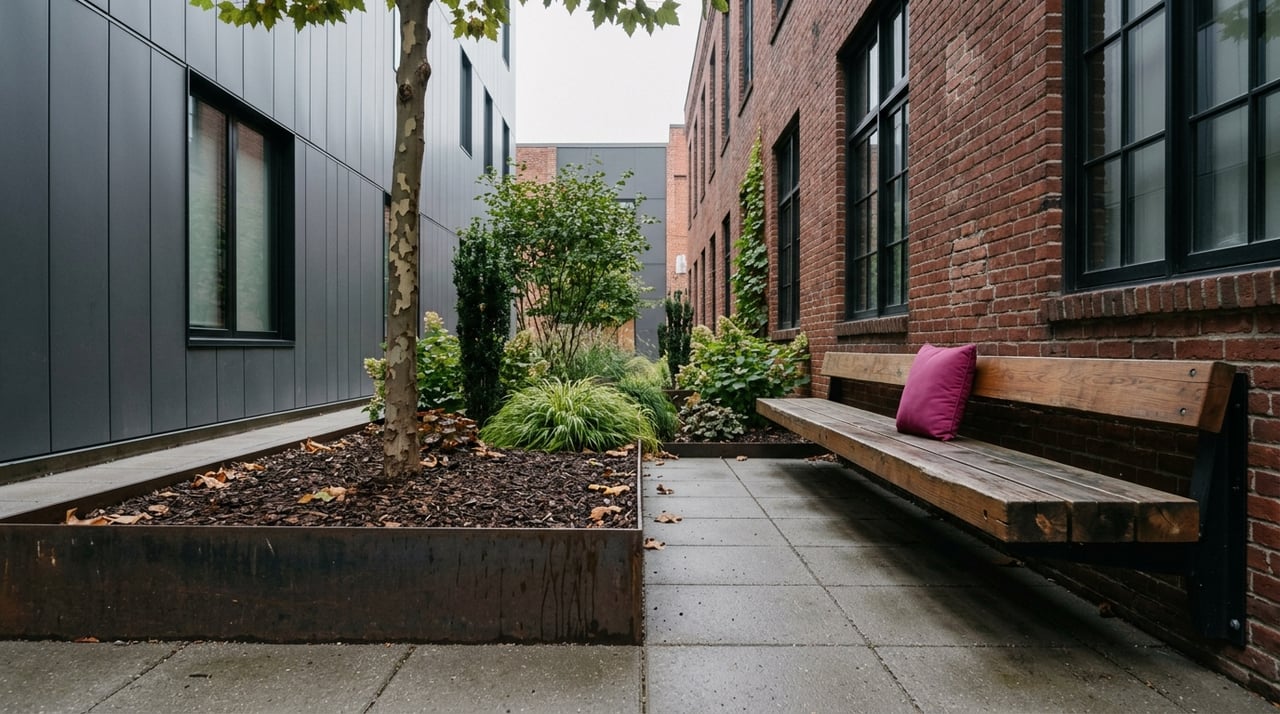
Wondering what it really means to live near the High Line in Chelsea? For many buyers, it is not just about having a well-known park nearby. It is about how daily life changes when green space, public art, galleries, dining, and distinctive architecture all sit within a few blocks of home. If you are considering a move to this part of Manhattan, understanding that full picture can help you weigh both lifestyle and long-term value. Let’s dive in.
The High Line Shapes Daily Life
The High Line is a 1.45-mile elevated public park that runs from Gansevoort Street to West 34th Street between 10th and 11th Avenues. Managed by Friends of the High Line under NYC Parks, it functions as far more than a scenic walkway. For Chelsea residents, it can become part of your routine, whether that means a morning walk, an after-work stroll, or a weekend meeting spot.
What makes the park feel different from a typical path is its planted design. According to the High Line fact sheet, the horticultural program includes more than 350 species of perennials, grasses, shrubs, vines, and trees. That gives the park a layered, garden-like character that softens the surrounding cityscape.
The park has also expanded beyond its original route. The current High Line guide notes additions such as the Spur and the High Line-Moynihan Connector, which broaden how the space connects with the West Side. If you live nearby, that wider network can make the High Line feel like an extension of your neighborhood rather than a one-time destination.
Chelsea Offers More Than Park Access
Living along the High Line also places you in one of Manhattan’s most established cultural corridors. West Chelsea has long been associated with galleries and art-related businesses, and the Landmarks Preservation Commission reports that more than half of the buildings in the West Chelsea Historic District are dedicated to those uses. That concentration gives the neighborhood a distinct rhythm and identity.
This arts presence is not just historical. A NYC Comptroller report notes that close to half of New York City’s galleries are concentrated in West Chelsea, the Lower East Side, and the Upper East Side. In practical terms, that means your local walks can include gallery visits, installations, and an active creative streetscape.
You also have major institutions nearby. The Whitney Museum sits steps from the High Line, and the area around it connects naturally to Chelsea’s broader gallery and cultural environment. Nearby dining and retail destinations, including Chelsea Market in the Meatpacking District, add another layer to the neighborhood’s appeal, creating a day-to-evening flow that feels distinctly West Side.
The Housing Mix Is Distinctive
One of Chelsea’s strongest draws is its architectural variety. NYC Planning describes West Chelsea as a neighborhood with a wide range of building types, including low-rise galleries, lofts, warehouses, and newer residential and commercial development. That mix helps explain why the area can feel both historic and contemporary at once.
For buyers, this often translates into a real choice in lifestyle and design. Some homes reflect the neighborhood’s industrial past, with loft-like proportions and large windows tied to former warehouse structures. Others offer a more polished new-development experience, with contemporary design and amenity-rich living.
That contrast is especially visible near the High Line. Projects such as 520 West 28th and One High Line illustrate the newer condominium side of the market, while the broader neighborhood still retains converted industrial buildings and established loft character. If you are searching in Chelsea, it helps to think about which type of living experience best fits your priorities.
What Buyers Often Pay For Here
Along the High Line, value is rarely about square footage alone. Buyers are often paying for a combination of immediate park access, walkability, strong cultural density, and architecture that feels hard to replicate elsewhere in Manhattan. That blend is part of what makes the area so compelling.
This is also why comparisons can be tricky. Two homes with similar size may live very differently depending on whether one sits in a converted loft, a newer architectural condo, or a building positioned directly along the High Line corridor. The setting can have a meaningful effect on how a property feels and how buyers respond to it.
For many purchasers, the trade-off is clear. You may be buying less generic convenience and more neighborhood character, visual interest, and everyday access to public space. In Chelsea, those factors often carry real weight.
Why the High Line Can Influence Resale Appeal
Research on parks and open space generally finds that closer proximity is associated with higher home values, though the size of that effect can vary by park type and distance. The research included in your source material also points to a study specifically examining how the High Line affected nearby residential property values. While every property is different, the broader takeaway is that location near this type of amenity can matter.
In Chelsea, though, resale appeal is likely tied to more than one feature. The High Line brings green space and visual identity, but the surrounding architecture, gallery concentration, and neighborhood energy all contribute to how buyers perceive value. It is that layered experience, not a single selling point, that often defines the area.
If you are buying with future resale in mind, this matters. A home near the High Line may benefit from its relationship to the park, but also from its place within one of Manhattan’s most recognizable design and arts districts. Understanding that full context can help you make a more informed decision.
What Life Along the High Line Feels Like
There is a reason this part of Chelsea attracts buyers who want more than a standard Manhattan address. The neighborhood offers a lived-in mix of movement, greenery, architecture, and culture that can shape your day in small but meaningful ways. A quick walk can include planted paths, public art, gallery storefronts, and views that feel distinctly tied to the West Side.
That does not mean every block feels the same. Chelsea includes a range of building styles and streetscapes, and your experience can vary depending on how close you are to the High Line, the type of building you choose, and what kind of daily routine you want. For some buyers, the draw is the energy. For others, it is the ability to step into an elevated public space that feels unexpectedly calm.
When you look at homes here, it helps to evaluate both the apartment and the lifestyle around it. In a neighborhood like Chelsea, the setting is often part of the value story.
How to Evaluate a Chelsea Home Near the High Line
If you are comparing properties in this area, keep your focus on both home features and neighborhood context.
- Consider how directly the property connects to the High Line and surrounding West Side public spaces.
- Look at the building type, whether it is a loft conversion, an established condominium, or a newer development.
- Think about how nearby galleries, museums, and dining fit into your daily routine.
- Weigh the appeal of architectural character against the convenience of newer amenities.
- Ask how the location may influence future buyer interest, not just your current lifestyle.
A thoughtful purchase in Chelsea usually comes down to fit. The right home is not just the one with the best finishes or the largest footprint. It is the one that aligns with how you want to live in this specific part of Manhattan.
If you are thinking about buying or selling near the High Line, local perspective matters. A nuanced reading of building type, location, and buyer demand can make a meaningful difference in both strategy and outcome. To discuss Chelsea with a more tailored market lens, The Deanna Kory Team can help you evaluate the opportunities clearly and confidently.
FAQs
What is the High Line in Chelsea?
- The High Line is a 1.45-mile elevated public park on Manhattan’s West Side that runs from Gansevoort Street to West 34th Street and includes gardens, art, and public gathering spaces.
What makes Chelsea near the High Line unique?
- This part of Chelsea combines immediate park access with a dense concentration of galleries, nearby cultural institutions, dining destinations, and a mix of historic industrial buildings and newer residential development.
What types of homes are common near the High Line in Chelsea?
- The area includes lofts, warehouse conversions, and newer condominium developments, creating a broad mix of architectural styles and living experiences.
Does living near the High Line affect property value?
- Research cited in the source material indicates that proximity to parks is often associated with higher home values, and a study specifically examined the High Line’s effect on nearby residential property values.
Is the High Line only a tourist destination?
- No. Source material describes the High Line as part of a broader West Side public-space network, which means nearby residents can use it as part of everyday life as well as for leisure.
Why do buyers consider Chelsea along the High Line?
- Buyers are often drawn to the combination of green space, walkability, cultural density, and a housing stock that ranges from authentic loft character to amenity-rich newer condos.