
What does it really feel like to live along Museum Mile, not just visit it? On the Upper East Side, this stretch of Fifth Avenue is more than a line of major institutions. It is part of daily life, where park paths, residential blocks, errands, and culture all fold into the same routine. If you are considering a move here, understanding that rhythm can help you see why this pocket of Manhattan feels both iconic and deeply livable. Let’s dive in.
Museum Mile in daily life
Museum Mile runs along Fifth Avenue from 82nd Street to 110th Street. Along that corridor, you will find institutions such as The Metropolitan Museum of Art, Neue Galerie New York, Guggenheim New York, Cooper Hewitt, The Jewish Museum, Museum of the City of New York, El Museo del Barrio, and The Africa Center, with neighborhood partners including Asia Society and 92NY.
That lineup matters because it shapes the street itself. You are not simply living near a museum or two. You are living on a corridor where art, programming, and steady pedestrian activity are part of the neighborhood’s everyday identity.
For many residents, the most walkable Museum Mile experience is framed by familiar landmarks. The Met sits at 1000 Fifth Avenue at 82nd Street, near the east side of Central Park, while the Conservatory Garden at 105th Street helps define the northern edge of this park-and-museum rhythm.
The streetscape feels layered
One of the Upper East Side’s defining strengths is contrast. Along major north-south corridors and the Park and Fifth Avenue edges, you see larger older residential buildings and mixed-use activity. On the side streets, the pace often shifts to a quieter, more residential feel.
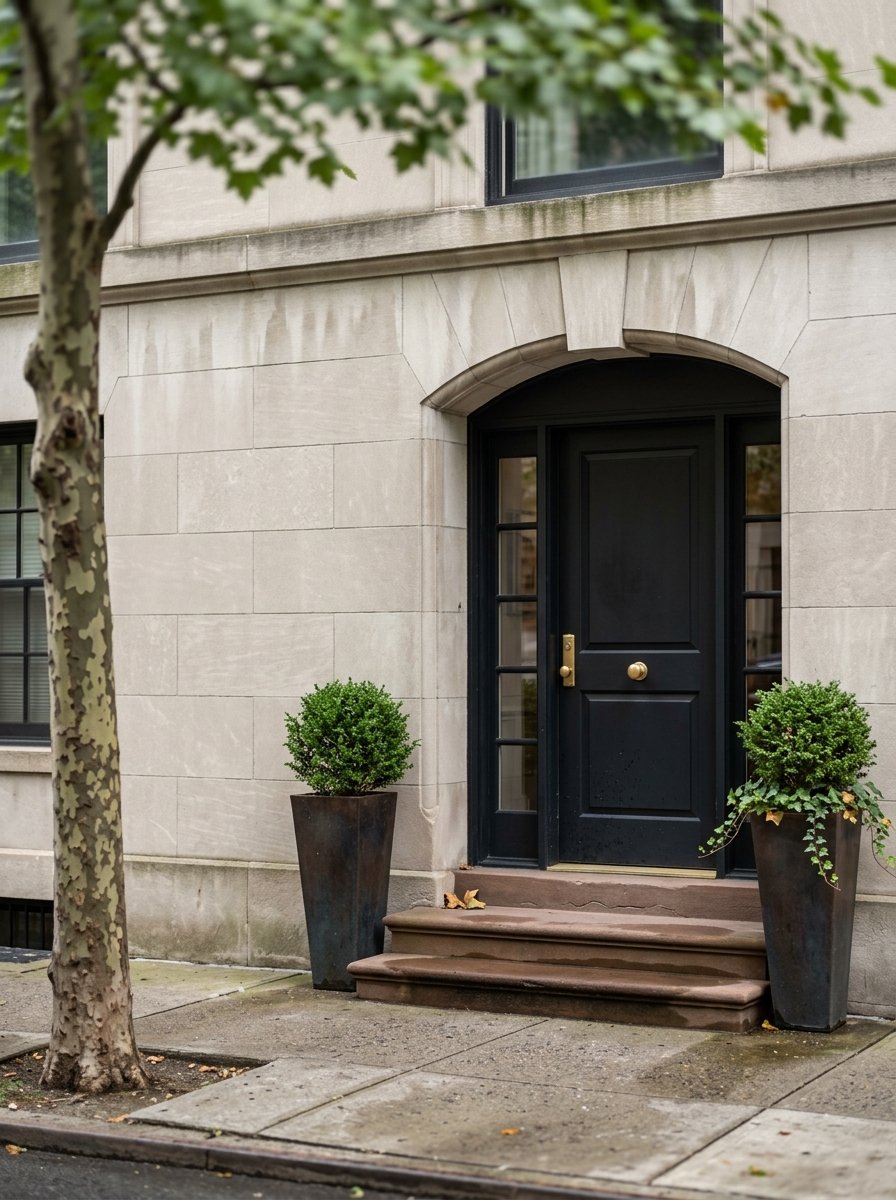
City planning documents describe the area as mid- to high-density residential, with mixed-use buildings along Madison and Lexington and institutional uses throughout. The same materials note three- to five-story brownstones and townhouses on side streets, plus consistent street trees along east-west blocks.
That layered feel is part of why the neighborhood reads as classic Manhattan. The local historic designation report points to surviving row houses, tenements, converted stables and garages, and large apartment houses built between 1913 and 1934. Even where lower floors or storefronts have changed over time, many blocks still retain the regular window rhythms and cornice lines that give the area its visual continuity.
In practical terms, buyers often experience Museum Mile and the surrounding Upper East Side as a mix of prewar apartment houses and co-op or condo buildings on the avenues, with brownstones and townhouses tucked onto calmer side streets. Newer buildings do appear, but they generally sit within an older architectural framework rather than replacing it wholesale.
Central Park shapes the routine
Living along Museum Mile also means living beside one of the city’s great daily-use amenities. Central Park is the neighborhood’s primary recreational anchor, and its eastern edge helps set the pace for mornings, weekends, and after-work walks.
The area around the Met near 79th and 82nd Streets gives the southern end of Museum Mile a lively park-adjacent energy. Farther north, the Conservatory Garden at East 105th Street offers a different mood, one that feels quieter and more tucked away.
That easy access can shape your day in small but meaningful ways. A walk in the park can sit comfortably next to a museum visit, a stop at a local business, or a dinner reservation on one of the avenues. In this part of the Upper East Side, culture and green space do not feel separate from daily life.
Errands and dining stay close
For all of Museum Mile’s cultural weight, this is still a neighborhood where people live full, practical lives. Madison Avenue is known as a major shopping corridor with retail, hotels, dining, and art destinations. Planning documents also note neighborhood services, boutiques, grocery stores, restaurants, and beauty parlors along Madison and Lexington.
That mix supports a lifestyle that feels efficient as well as elegant. You might spend time in Central Park in the morning, make a museum stop later in the day, and handle errands or dinner plans on the avenues without needing to cross half the city.
This is part of what makes the area feel so balanced. The grand institutions are real, but so is the convenience of having daily needs met close to home.
Walkability is part of the appeal
Museum Mile and the surrounding Upper East Side are well suited to people who like to move through the neighborhood on foot. City planning materials point to strong pedestrian presence along Madison Avenue, while side streets are marked by consistent street trees and a more residential rhythm.
The data backs that up. The Furman Center reports that 85% of Upper East Side commuters in 2023 had a car-free commute. That figure helps explain why the neighborhood often feels oriented around walking, transit, and block-by-block convenience rather than car ownership.
For you as a buyer, this matters because mobility shapes everyday quality of life. On the Upper East Side, it is possible to experience a great deal of the neighborhood through routines that feel simple and local.
Housing choices are block specific
The Upper East Side is not a one-note housing market, and Museum Mile makes that especially clear. Building type, exact block, and service level can all meaningfully affect how a home lives and how buyers evaluate value.
The neighborhood had about 198,035 residents in 2023, according to the Furman Center. The same profile reports a median household income of $165,280, real median gross rent of $3,260, and a homeownership rate of 37.6%. It also notes that 3,500 new housing units were added from 2010 to 2024, mostly market-rate, suggesting selective new development rather than a full reshaping of the existing neighborhood fabric.
For buyers, that means you should expect nuance. A home on Fifth Avenue can feel very different from one on a side street a few blocks east, even when both share the same neighborhood name. Prewar character, building scale, street activity, and access to park or museum frontage all play a role.
What buyers often look for here
Amenity packages around Museum Mile are highly building specific, but public profiles of nearby buildings show a pattern. Features commonly highlighted include doorman or concierge service, elevators, private storage, exercise rooms or gyms, laundry rooms, bike rooms, roof decks, courtyards, and sometimes playrooms.
That combination of in-building convenience and neighborhood resources helps explain the area’s broad appeal. You may find a building that offers strong day-to-day support, while the surrounding neighborhood adds Central Park access, museum programming, retail, dining, and a dense network of institutions.
The planning materials also identify schools, museums, and houses of worship as major neighborhood uses. That institutional density is one reason many buyers focus closely on block, building services, and proximity to the places they expect to use regularly.
Why Museum Mile feels distinct
Many Manhattan neighborhoods offer culture, convenience, and beautiful architecture. Museum Mile stands out because those elements sit so closely together and feel so embedded in the streetscape.
Here, Fifth Avenue carries the energy of major cultural institutions, while side streets can quickly shift into a quieter residential setting. Central Park is not an occasional destination. It is part of the backdrop to everyday routines.
That blend can be hard to judge from a map alone. On the Upper East Side, one or two blocks can change the feel of a home search in important ways, especially when you are weighing prewar scale, full-service living, townhouse character, or long-term lifestyle fit.
For that reason, local guidance matters. In a neighborhood this layered, understanding the difference between avenues and side streets, between building styles, and between service levels can help you make a smarter decision and avoid costly assumptions.
If you are exploring Museum Mile or the broader Upper East Side, The Deanna Kory Team can help you evaluate the blocks, buildings, and lifestyle details that matter most in your search.
FAQs
What is Museum Mile on the Upper East Side?
- Museum Mile is the stretch of Fifth Avenue from 82nd Street to 110th Street, home to major cultural institutions including The Met, Guggenheim New York, Cooper Hewitt, The Jewish Museum, Museum of the City of New York, El Museo del Barrio, and The Africa Center.
What is daily life like near Museum Mile?
- Daily life often blends Central Park access, walkable errands, dining on Madison or Lexington, and regular exposure to museums and neighborhood institutions, all within a dense residential setting.
What types of homes are common near Museum Mile?
- You will typically find larger older residential buildings and prewar apartment houses along the major avenues, with brownstones and townhouses more common on quieter side streets.
Is Museum Mile a walkable part of the Upper East Side?
- Yes. Planning documents note strong pedestrian activity, and the Furman Center reports that 85% of Upper East Side commuters had a car-free commute in 2023.
What amenities do buyers often find in buildings near Museum Mile?
- Common amenities in nearby buildings may include doorman or concierge service, elevators, storage, gyms, laundry rooms, bike rooms, roof decks, courtyards, and playrooms, depending on the building.
Why does block-by-block knowledge matter near Museum Mile?
- The area is highly block specific, so the feel of a home can shift based on avenue versus side street location, building type, service level, and proximity to Central Park or major institutions.